Robert Leventhal Stories That Stay With You

Robert Leventhal

Stories That Stay With You

Latest Articles

The Ending You Already Know: How Spoilers Can Make a Book More Rewarding, Not Less
Craft & Technique

The Ending You Already Know: How Spoilers Can Make a Book More Rewarding, Not Less

For many readers, learning the outcome of a novel before the first page feels like a cardinal sin. Yet a growing number of thoughtful readers find that knowing what happens frees them to experience how it happens—and that distinction, it turns out, is where literature truly lives.

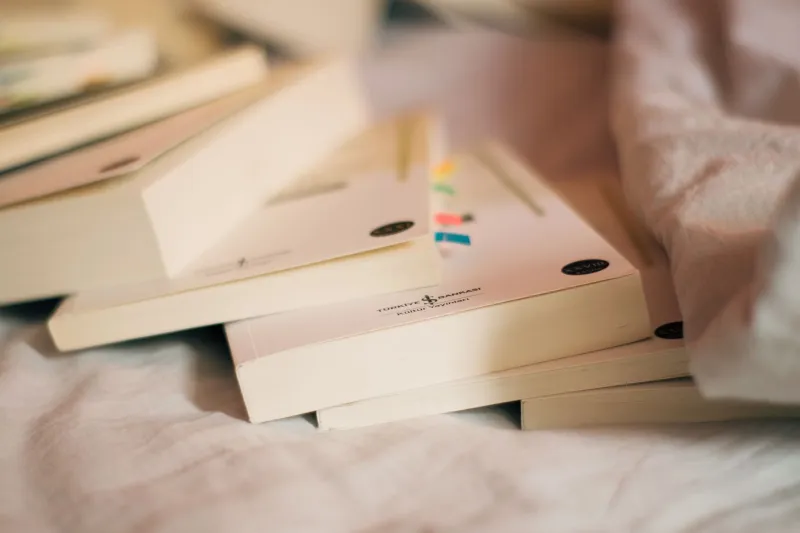
The Library You'll Never Finish: On the Compulsive Pleasure of Owning Books You May Never Read
Craft & Technique

The Library You'll Never Finish: On the Compulsive Pleasure of Owning Books You May Never Read

Most serious readers own far more books than they will ever realistically finish—and they keep acquiring more. This piece examines the psychology behind the ever-expanding to-be-read pile, the curious satisfaction of ownership divorced from reading, and what our accumulated, unread shelves ultimately reveal about our inner lives.

The Sentence That Stops the Clock: On the Literature That Arrests Us Mid-Page
Craft & Technique

The Sentence That Stops the Clock: On the Literature That Arrests Us Mid-Page

Every serious reader knows the experience: a line of prose arrives without warning and renders the surrounding world momentarily irrelevant. These are not merely memorable passages but genuine interruptions—moments when a writer's precision collides with our own unspoken truths. This essay examines why certain sentences carry that rare voltage, and what it means when they do.

Between the Pages: The Forgotten Objects That Turn Our Books Into Private Diaries
Craft & Technique

Between the Pages: The Forgotten Objects That Turn Our Books Into Private Diaries

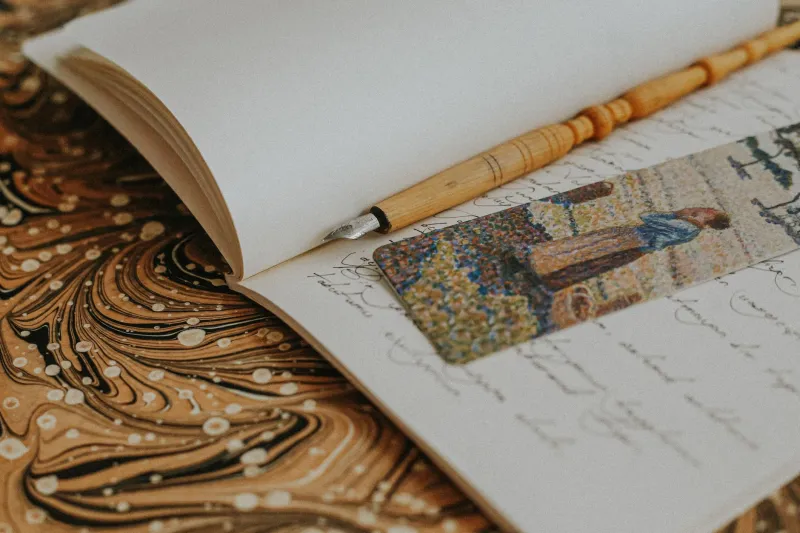
Tucked inside the books we own are the quiet remnants of the lives we were living when we stopped reading—a grocery receipt, a boarding pass, a photograph whose occasion we can barely recall. These accidental artifacts do something no formal diary can replicate: they freeze a specific, unremarkable moment in amber. What we find between the pages is often more revealing than anything we would have chosen to record.

The Unread Shelf: What the Books We Never Open Say About the Readers We Wish We Were
Craft & Technique

The Unread Shelf: What the Books We Never Open Say About the Readers We Wish We Were

Most serious readers own at least one book they have solemnly promised themselves they will get to someday—a volume that migrates from nightstand to shelf to box without ever surrendering its spine. The gap between the books we acquire and the books we actually finish is not merely a matter of time management; it is a quiet confession about identity, aspiration, and the complicated relationship we maintain with literature itself.

The Imperfect Archive: What Our Faulty Memory of Books Reveals About How We Truly Read
Craft & Technique

The Imperfect Archive: What Our Faulty Memory of Books Reveals About How We Truly Read

Most of us carry around confident, detailed impressions of books we finished years ago—impressions that, upon rereading, turn out to be half invention. This piece examines the curious gap between what actually appears on the page and what we insist we remember, arguing that our misrecollections may be the most honest record we have of how a book genuinely affected us.

Craft & Technique

Voice and Vision: How a Narrator's Breath Rewrites the Book You Thought You Knew

When a human voice delivers a story directly into your ear, something shifts in the architecture of the reading experience itself. The audiobook is not simply a book made convenient — it is a fundamentally different encounter with narrative, one governed by pace, tone, and the irreducible presence of another person's interpretation. Whether that transformation enriches literature or quietly dismantles it depends on questions worth taking seriously.

Film & Literature

The Solitary Reader's Circle: Building a Literary Life Without the Group Chat

For readers who find their deepest connection to books in stillness and solitude, the conventional book club can feel less like community and more like performance. Yet the hunger for genuine literary conversation — for the particular pleasure of discovering that another person was moved by the same sentence you were — is no less real among introverted readers than anyone else. There is a way to satisfy that hunger without surrendering the quiet that makes reading meaningful in the first place.

Film & Literature

The Honest Surrender: A Reader's Defense of Putting the Book Down

Somewhere along the way, American reading culture absorbed a puritanical conviction that an unfinished book represents a personal failing. This piece argues otherwise — that the decision to set a book aside can be, in the right circumstances, an act of genuine literary discernment rather than laziness, and that learning to distinguish between the two is one of the more useful skills a serious reader can develop.

Craft & Technique

Borrowed Souls: How the Characters We Love Quietly Reshape Who We Are

There is a peculiar alchemy that occurs when a reader spends sustained time inside another consciousness. The characters we inhabit on the page do not simply entertain us — they leave residue, altering the texture of our speech, the architecture of our values, and the quiet assumptions we carry into the world long after the book is closed.

The Well-Worn Copy: Why a Marked-Up Book Is the Most Honest One You Own
Film & Literature

The Well-Worn Copy: Why a Marked-Up Book Is the Most Honest One You Own

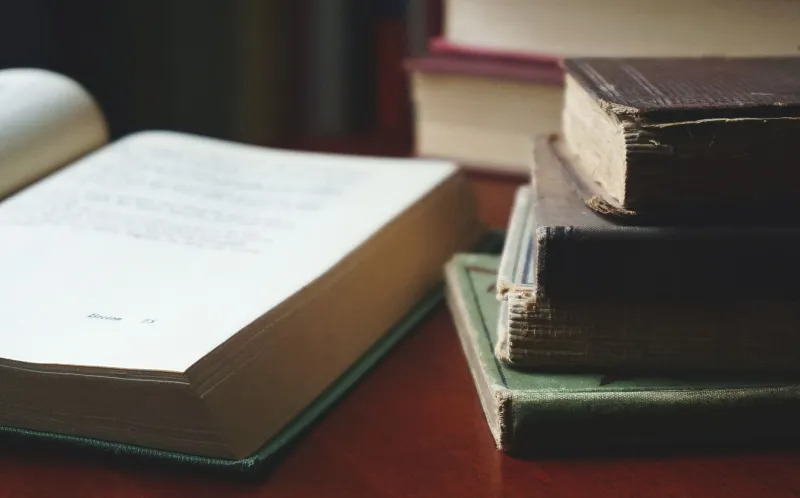
A pristine book is a beautiful object, but it is also, in a certain sense, an unfinished one. The folded corner, the underlined sentence, the coffee ring on page forty-seven—these are not damage. They are evidence of a life lived in conversation with a text, and they make the book irreplaceable in ways no unread first edition ever could be.

Reading in Secret: What the Books We Hide Reveal About Who We Are
Craft & Technique

Reading in Secret: What the Books We Hide Reveal About Who We Are

Most readers have a shelf they would rather not explain to guests—the paperback romance tucked behind a row of Updike, the dog-eared self-help title wedged spine-inward. What we choose to conceal says as much about literary culture as what we proudly display, and the conversation is long overdue.

The Books We Go Back To: On the Strange Comfort of Rereading Old Favorites
Film & Literature

The Books We Go Back To: On the Strange Comfort of Rereading Old Favorites

In a cultural moment defined by the relentless pressure to consume what is new, a quiet countermovement persists among devoted readers who return, again and again, to the same beloved books. This is not nostalgia for its own sake—it is something more deliberate, more psychologically complex, and more revealing about the relationship between story and self than any reading list of the latest releases could ever be.

Ink in the Margins: How Writing in Your Books Makes Them Truly Yours
Craft & Technique

Ink in the Margins: How Writing in Your Books Makes Them Truly Yours

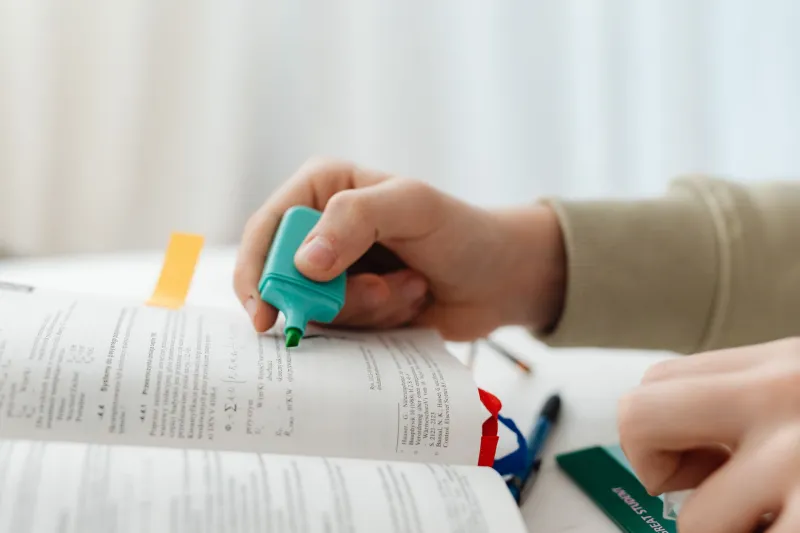
For generations, readers were taught that writing in a book was an act of vandalism. Today, a growing community of passionate annotators is making the case that pencil marks, underlines, and cramped marginal notes are not desecration—they are the highest form of literary engagement. The conversation about what it means to truly read a book has never been more alive.

Beyond Romance: The Literary Friendships That Define Us More Than Love
Film & Literature

Beyond Romance: The Literary Friendships That Define Us More Than Love

For generations, literature has positioned romantic love as the supreme emotional achievement of human life. Yet some of the most resonant bonds in modern fiction are not between lovers at all — they are between friends. A growing number of contemporary authors are restoring friendship to its rightful place at the center of the human story.

The Art of the Beautiful Lie: How Unreliable Narrators Keep Us Turning Pages
Craft & Technique

The Art of the Beautiful Lie: How Unreliable Narrators Keep Us Turning Pages

Some of the most enduring stories in modern fiction are told by voices we cannot fully trust. Exploring the craft behind unreliable narration reveals why readers so willingly surrender to characters who deceive them — and why that deception is precisely what makes certain novels impossible to forget.

The Last Page Problem: What Separates a Haunting Finale from One You Forget by Morning
Craft & Technique

The Last Page Problem: What Separates a Haunting Finale from One You Forget by Morning

A story's ending is not merely its conclusion — it is its conscience. This exploration examines the narrative architecture behind endings that refuse to leave us, drawing on landmark works in American fiction and the craft decisions that elevated them from memorable to indelible.

Lost in Translation: The Impossible Promise of Bringing Beloved Books to the Screen
Film & Literature

Lost in Translation: The Impossible Promise of Bringing Beloved Books to the Screen

Every year, Hollywood reaches into the literary canon and attempts to extract its magic — and every year, readers hold their breath. This examination looks honestly at what the adaptation process gains, what it inevitably surrenders, and why certain stories seem to resist the camera no matter how talented the filmmakers behind it.